

Did you know? Businesses that tailor their ad campaigns using precise audience targeting consistently achieve up to 70% higher return on investment. In the fast-moving world of digital marketing, the question for business owners isn’t whether to invest in paid website traffic, but how to target the right audience for optimal results. Should you base your campaigns on classic demographics like age and income, or hone in on interests and online behaviours? This guide cuts through the noise and gives you the insights needed to choose the best strategy for your company, with actionable advice from programmatic display ad specialists at Capid Houser.
Opening Insights: The Critical Role of Demographics vs Interest Based Market Targeting in Paid Traffic Campaigns
“Businesses that tailor their ad campaigns using precise audience targeting consistently achieve up to 70% higher return on investment.”

- Understanding both demographic targeting and interest targeting is crucial for creating effective marketing strategies.
- Choosing the right configuration can significantly impact the success of your paid traffic campaigns and ensure your message reaches the intended target audience.
- Capid Houser helps clients decide which method, or blend, suits their goals for maximum ROI.
What You’ll Learn: Effective Audience Targeting Strategies for Modern Businesses
- Understand the fundamental differences between demographics vs interest based market targeting
- Explore types of target market segmentation and audience targeting methods
- Learn campaign configuration parameters for both demographic targeting and interest targeting
- Get actionable insights on selecting the right audience targeting for your marketing strategy
Understanding Audience Targeting: The Foundation of Every Successful Marketing Strategy
Defining Audience Targeting in the Current Digital Landscape

Audience targeting is the systematic process of identifying customers likely to be interested in your product or service and delivering tailored messages through display ads or paid website traffic campaigns. In today’s digital marketing ecosystem, data-driven audience segmentation enables companies to connect with specific groups based on customer data, online behaviour, or demographics, making marketing efforts far more efficient and effective than traditional shotgun approaches.
Businesses want to serve targeted ads to those most likely to engage—not anyone and everyone. Whether launching a new fitness app or advertising niche B2B technology, pinpointing the right parameters such as age group, interests, or location ensures ad spend is used effectively.
As digital platforms grow more sophisticated, the process of audience targeting has become central to every marketing strategy. It involves using market research, analytics, and advertising platforms’ targeting tools to create segments that reflect the real interests, needs, and attributes of your desired customer base. This enables the delivery of targeted ads that perform better, cost less, and drive measurable results, which is why Capid Houser focuses on configuring campaigns that leverage both demographic and interest targeting for their clients.
When refining your approach to audience segmentation, it’s helpful to consider how broader marketing leadership can influence campaign success. For instance, businesses often benefit from the strategic oversight of a fractional Chief Marketing Officer, who can align demographic and interest-based targeting with overall business objectives and ensure your paid traffic campaigns are fully integrated with wider marketing initiatives.
Types of Target Market Segmentation: Demographic Targeting and Interest Targeting Explained
There are several types of target market segmentation that marketers employ. Two of the most effective for digital display ads are demographic targeting and interest targeting.
Demographic targeting segments audiences based on measurable characteristics such as age, gender, location, and income level. This is particularly effective for products or services with a clear profile of the ideal customer or when targeting life events (e.g., retirement planning, parenting).
Interest targeting, on the other hand, focuses on the passions, hobbies, and behaviours of individuals, using data from their browsing history, social media engagement, content consumed, or types of websites visited. This approach is highly adaptable and suitable for reaching niche markets—like dedicated fitness enthusiasts or tech gadget fans—by delivering targeted ads that resonate with their online habits.
| Criteria | Demographic Targeting | Interest Based Targeting |
|---|---|---|
| Definition | Targets users by quantifiable traits (age, gender, income, location) | Targets users by passions, site categories, content engagement, behaviours |
| Best for | Products/services with strong age/gender/income appeal, broad sectors | Niche products, B2B, new launches, consumer goods with lifestyle focus |
| Examples | Healthcare for over 50s, finance products by location/income | Fitness gear for runners, tech gadgets for IT decision-makers |
| Data required | Demographic information (census, surveys, platform data) | User behaviour analytics (web, app, social media) |
| Adaptability | Stable over time, less nimble | Highly flexible, can capture new trends or life events rapidly |
Demographic Targeting: Precision Marketing by Age, Gender, and More
Key Demographic Parameters: Age, Gender, Location, Earnings

Demographic targeting revolves around the characteristics that define broad audience groups. The most commonly used demographic parameters in paid traffic and display ad campaigns include:
- Age: Targeting different age brackets helps advertisers reach users whose needs or purchasing behaviour vary by life stage. For example, advertising university courses to 18–24-year-olds.
- Gender: Some products or services appeal predominantly to specific genders, such as beauty products.
- Location: Regional targeting is especially relevant for local businesses or those with location-specific offers.
- Income/Earnings: High-value items or luxury brands may choose to show ads only to users with a certain income level.
These parameters provide a foundation for standard marketing campaigns, allowing brands to hone their message and spend in ways that cater to the right target market. By examining aggregated customer data, companies can more confidently build customer personas and launch ads that align with the purchasing decisions of their potential customers.
Best Practices for Demographic Targeting in Paid Website Traffic Campaigns
To maximise the effectiveness of demographic targeting, businesses should rely on up-to-date and granular data. First, conduct thorough market research to identify your existing customer base and extract demographic information such as location, age, and gender. Use analytics tools to assess conversion rates across different groups.
Platforms like Google Ads and Facebook Ads Manager offer sophisticated demographic filters. For example, a financial services provider might target audiences based on high household income brackets, while a family-oriented retail brand may select households with children. It’s also wise to consider overlaying additional information—such as marital status or life events—to further narrow the scope.
Managers should regularly review and adapt demographic settings. For instance, if a display campaign for retirement services sees higher engagement among women aged 55–65, future ad spend can be reallocated towards that group. Demographic targeting excels for products and services where the buyer profile is clear and where broad sector characteristics determine purchasing behaviour.
Case Examples: When Is Demographic Targeting Most Effective in Display Ads?
Demographic targeting shines in sectors like healthcare, finance, and products connected to family life. For example, a targeted ad for a life insurance product can be shown specifically to adults aged 35–50 in certain postcodes with children, maximising relevance and click-through rate. Similarly, a medical clinic may use demographic targeting to reach older residents in a particular city, boosting the efficiency of marketing spend.
“Demographic targeting excels for sectors like healthcare, finance, and family-focused brands.”
Another example: a regional bank creates display ads targeted only at high earners (annual earnings above £75,000). By targeting a specific group with relevant messaging, conversion rates are higher and wasted impressions are eliminated. These approaches underscore why businesses with clear customer profiles benefit most from demographic targeting within their marketing strategies.
Interest Targeting: Engaging Audiences Through Their Passions and Online Behaviours
Core Concepts of Interest Targeting in Programmatic Display Ads

Interest targeting takes marketing to the next level by allowing advertisers to reach audiences based on their passions, hobbies, and active online behaviours. Instead of relying only on static data like age or gender, interest targeting leverages insights drawn from the websites users visit, the content they engage with, and the brands and topics they follow on social media.
Popular programmatic ad networks categorise users into thousands of interest profiles—from fitness to technology and beyond—directing targeted ads to those most receptive. For example, if someone frequently visits travel blogs or clicks digital marketing webinars, advertisers can serve them promotions relevant to these passions. Interest targeting is dynamic, making it ideal for brands launching new, innovative products or those in fast-evolving sectors.
Parameters for Interest Targeting: Site Categories, Content Engagement, and User Behaviour
Effective interest targeting relies on parameters like:
- Site Categories: The types of websites a user visits (e.g., health, finance, tech, parenting) allow the platform to group them under key interest umbrellas.
- Content Engagement: Clicks, shares, likes, and dwell time on articles, videos, or sponsored posts demonstrate genuine passion and intent.
- User Behaviour: Actions like cart abandonment, event registrations, or frequent downloading of fitness app guides pinpoint users ready to convert.
Platforms analyse millions of data points to classify users’ interests, making it possible to run highly tailored paid website traffic campaigns. By leveraging these refined parameters, marketers can segment and reach the right people no matter how niche their product or service might be.
Real-world Examples: Interest Targeting in Action for Niche Products and Services
Interest targeting is a game-changer for brands with unique offerings or niche audiences. A company selling a vegan protein bar can run targeted ads to users who interact with vegan recipe sites or wellness content, while a boutique digital marketing agency might promote its services on websites frequently visited by start-up founders.
“Interest targeting empowers brands to connect with engaged consumers accurately, no matter the niche.”
Another example: An online bookstore launching a new sci-fi series can target those who consistently review or buy science fiction books online. This results in more relevant clicks and higher conversions compared to broad demographic-only targeting. Ultimately, brands can engage users based on authentic, observable interests—transforming generic browsing into intent-packed marketing opportunities.
Demographics vs Interest Based Market Targeting: Side-by-Side Comparison
Effectiveness: Which Delivers Stronger ROI for Different Business Sectors?
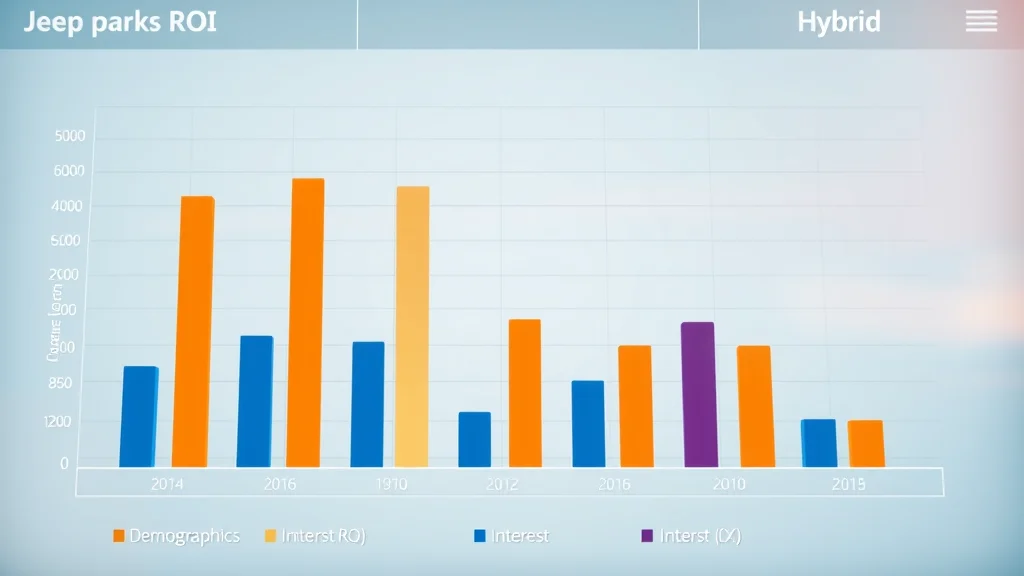
Both demographic targeting and interest targeting offer measurable benefits, but the return on investment (ROI) varies by industry and campaign goals. In sectors where age, gender, or income dictates product relevance—such as finance or healthcare—demographics often deliver stronger ROI. For rapidly changing, lifestyle-driven sectors, interest-based campaigns outperform by identifying consumers at the right moment in their buying journey.
A hybrid approach, which combines both methods, regularly produces the best outcomes—ensuring maximum campaign efficiency and audience targeting precision. For example, e-commerce businesses selling premium sportswear will find combining high-income demographic filters with interest profiles (such as regular buyers of fitness gear or users who engage with fitness app content) drives both reach and relevance.
Longevity and Adaptability: How Each Targeting Approach Responds to Market Shifts

Demographic targeting provides stability and is less affected by shifts in user behaviour—ideal for evergreen products or services. However, its slower response to changing consumer tastes may reduce effectiveness for trend-sensitive brands. Interest targeting adapts quickly, capitalising on current events, cultural shifts, and evolving digital habits. It’s highly effective for short-term offers, seasonal campaigns, or when consumer passions are in flux.
Programmatic platforms allow brands to run A/B tests and update campaign parameters in real-time, ensuring both demographic and interest filters remain aligned with shifting market dynamics. In collaborating with Capid Houser, businesses gets advice on when to prioritise data stability versus market agility—often arriving at a robust, hybrid configuration for sustained success.
Influence on Target Audience: Maximising Audience Targeting Precision
Achieving the most precise audience targeting often means layering both demographic and interest signals. This dual approach narrows the funnel and ensures ad spend is aimed at users with both the right profile and the right intent. For example, combining age and location with content engagement history results in highly relevant audiences based on real behaviour and underlying need.
Hybrid targeting is particularly valuable in digital marketing sectors where consumer intent and demographics interact closely—such as marketing luxury goods (income + lifestyle interests) or promoting tech products to specific job titles in B2B (job function + industry interest). The key: continuously review campaign outcomes and iterate for improved effectiveness over time.
| Parameter | Demographic Targeting | Interest Targeting | Hybrid Targeting |
|---|---|---|---|
| Campaign setup | Gender, age, income, location | Web history, app usage, content likes, social follows | Location + content interest, income + purchase behaviour |
| Best for | Broad sectors, predictable audiences | Niche products, lifestyle goods | B2C e-commerce, SaaS, multi-segment campaigns |
| ROI scalability | Medium—stable but limited scope | High—trends/fads, dynamic markets | Very high—maximum efficiency |
| Example sector | Retail banking, insurance, family health | Tech gadgets, sports communities, start-ups | Modern retail, digital services, education |
Practical Campaign Configurations: How Capid Houser Tailors Targeting Strategies for Clients
Onboarding Insights: Discovery Sessions to Uncover the Ideal Target Audience

At Capid Houser, successful campaign configuration begins with detailed onboarding discovery sessions. During these sessions, marketing consultants work closely with business owners and executives to uncover the unique attributes of their brand and customers. This involves analysing customer data, business objectives, and the market landscape to define the right target parameters—comparing demographics vs interest based market targeting to determine which blend best suits the goals.
By listening and asking the right questions, Capid Houser extracts insights that shape a marketing strategy tailored to each company, whether it’s entering a new market, promoting a niche product, or expanding the core customer base with display ads.
Selecting Campaign Parameters: Matching Sectors to Targeting Strategy
- For B2B tech: focus on job title (demographic) + technology industry content engagement (interest)
- For lifestyle brands: prioritise age/gender (demographic) + wellness/fitness site visits (interest)
- For e-commerce: blend cart abandonment (interest) + income bracket (demographic)
Capid Houser’s campaign planners always match the sector and business objective to the correct targeting strategies. This can mean pure demographic targeting for established brands with broad customer segments, or advanced interest segmentation for innovative start-ups seeking rapid traction in a specific group online.
Key Metrics for Performance Evaluation: Return on Investment, Click-through Rate, and Conversion

Every Capid Houser campaign is judged on key metrics:
- Return on Investment (ROI): The ultimate measure, showing how effectively ad spend is translating into revenue.
- Click-through Rate (CTR): A high CTR suggests strong audience targeting resonance and creative appeal.
- Conversion Rate: Ensures not just clicks, but actual sales or desired outcomes from the paid traffic received.
Ongoing analysis leads to continuous optimization; campaign configurations are adjusted based on which approach—demographics, interests, or both—delivers measurable improvements for the business. Capid Houser’s data-driven approach provides transparency and actionable reporting at every step.
People Also Ask: Core Questions on Demographics vs Interest Based Market Targeting
What is the difference between interest and demographics?
- Demographic targeting leverages age, gender, income level, and other population statistics to segment and reach a target audience.
- Interest targeting relies on user behaviours—such as website categories viewed, content engagement, and hobbies—to find audiences based on passions and preferences, not just static characteristics.
What is the difference between target market and demographics?
- Target market is a broader concept—it encompasses any group of potential customers who share common needs or characteristics and can include demographics, psychographics (lifestyle, values), behaviours, and even life events.
- Demographics are the specific population statistics (age, gender, ethnicity, income) used as one segment within the larger target market definition.
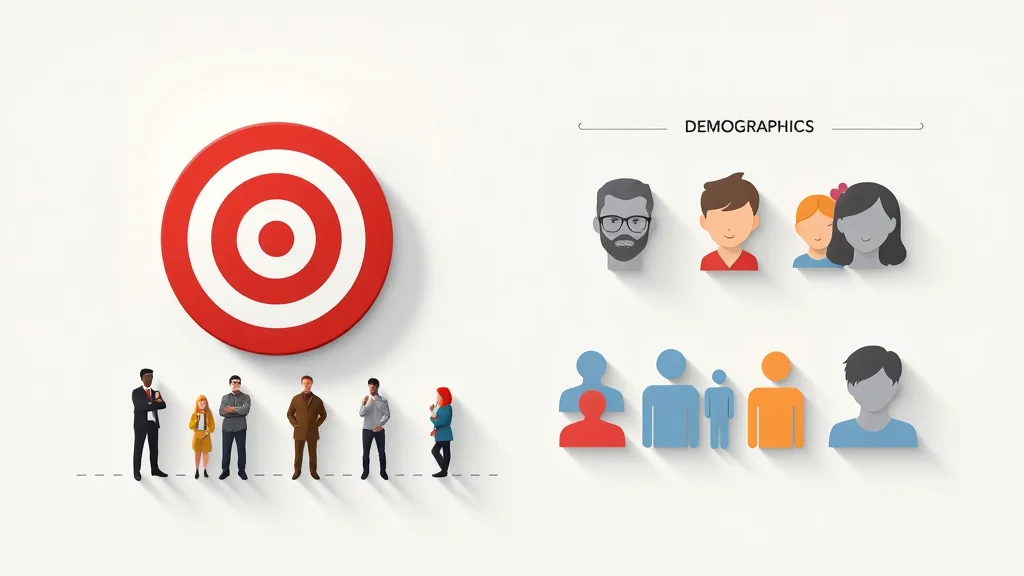
What are three key demographic measures of particular interest in assessing target audiences?
- Age
- Income
- Location
What are the 4 types of target market?
- Demographic
- Geographic
- Psychographic
- Behavioural
Integrating Demographics and Interest Based Targeting with Other Digital Marketing Services
How Paid Website Traffic Complements Social Media, Content, and Video Marketing

Paid website traffic through display ads is just one piece of the digital marketing puzzle. When expertly executed, it drives high-quality visitors straight to your website. However, synergising paid traffic with social media, content marketing, and video amplifies results. For instance, running interest-based display ads that complement ongoing social media campaigns ensures consistent messaging and boosts multi-channel recognition.
Content marketing builds authority and provides the information needed to nurture leads who discovered your brand through display ads, while strategic video content increases user engagement and trust. Capid Houser integrates all these elements, ensuring that your marketing strategy delivers results across all channels, not just one.
The Power of a Unified Marketing Strategy: Collaborating with Capid Houser
- Posting Google Business Reviews to Social Media
- Reputation Management and Marketing
- Content Marketing
- Outsourced Call Answering
- Chatbot Marketing
- Social Media Marketing
All these complementary digital marketing services, offered by Capid Houser, work in harmony with display ads and paid website traffic services. Together, they ensure every potential customer is engaged at the right time and stage of their journey, no matter where they start.
Lists and FAQs: Quick Reference Guide to Demographics vs Interest Based Market Targeting
- Top advantages of demographic targeting: Easy to apply, stable, ideal for products with broad population appeal.
- Top advantages of interest targeting: Highly adaptable, reaches passionate and engaged users, perfect for niche and evolving markets.
- Situations best suited for each methodology:
- Demographics: Healthcare, finance, local retail.
- Interests: Digital products, emerging trends, hobbyist goods.
- Hybrid: E-commerce, B2B SaaS, multi-segmented audiences.
FAQs: Demographics vs Interest Based Market Targeting
- How do I choose between demographic targeting and interest targeting? Assess your company’s goals, audience size, and the nature of your product or service. If your offer appeals to a specific age group or income, start with demographics. If you need to reach people by passion, behaviour, or niche interests, use interest targeting. For most, a hybrid delivers the strongest results.
- Can targeting strategies be combined? Absolutely. Many of the highest-performing campaigns layer both demographic and interest targeting settings for precision, increasing relevance and lowering wasted ad spend.
- What is the most cost-effective approach to audience targeting? The most cost-efficient approach is the one that achieves your objectives with the lowest ad spend—often a hybrid method, regularly reviewed and optimised with real-time performance data.
Video Guide: Seeing Demographics vs Interest Based Market Targeting in Action
Watch this animated explainer to see how Capid Houser configures real digital ad campaigns, comparing demographic and interest-based targeting—complete with live dashboards, parameter selections, and campaign outcomes.
Key Takeaways for Business Owners and Marketing Professionals
- Always match target audience strategy to overall marketing objectives
- Blend demographic and interest targeting for comprehensive results
- Regularly review and adapt campaign parameters for improved ROI
- Consult experts for optimal audience targeting outcomes
Empower Your Paid Website Traffic Campaigns with Capid Houser
“The right audience targeting can transform website traffic into revenue. Let Capid Houser design your next high-performing campaign.”
Contact us athttps://www.capidhouser.com/paid-website-traffic/to kickstart your Paid Website Traffic campaigns
Conclusion: Smart audience targeting—demographics, interests, or both—is essential for effective digital marketing. Strategic partnership with Capid Houser ensures every campaign is tailored for maximum reach, resonance, and ROI.
As you continue to refine your audience targeting strategies, consider how a holistic marketing approach can elevate your entire digital presence. Exploring the advantages of bringing in a fractional CMO can provide the strategic vision and leadership needed to unify your campaigns, optimise spend, and drive sustainable growth. By integrating expert guidance with advanced targeting techniques, your business can stay ahead of market shifts and unlock new levels of performance. Take the next step towards a more agile, results-driven marketing strategy and discover how expert leadership can transform your paid traffic and beyond.
Sources
- Capid Houser Paid Website Traffic Services
- Hootsuite: How to Define Social Media Target Audiences
- WordStream: Demographic Targeting
- Smart Insights: Digital Marketing Strategy
- WordStream: Display Advertising Benchmarks
When deciding between demographic and interest-based market targeting, it’s essential to understand how each approach aligns with your business objectives. Demographic targeting focuses on quantifiable characteristics such as age, gender, income, and location, making it effective for products or services with a clear appeal to specific groups. For instance, advertising retirement planning services to individuals aged 50 and above leverages demographic data to reach the appropriate audience. (twospouts.com)
On the other hand, interest-based targeting zeroes in on consumers’ passions, hobbies, and online behaviors, allowing businesses to engage with users based on their demonstrated interests. This method is particularly beneficial for niche products or services that may not correspond directly with demographic factors. For example, promoting a new specialty board game to enthusiasts focuses on shared interests rather than age or income. (twospouts.com)
Combining both demographic and interest-based targeting can enhance campaign precision and efficiency. By integrating demographic data with interest insights, advertisers can tailor their messages to resonate more deeply with their audience, leading to higher engagement and conversion rates. This hybrid approach ensures that marketing efforts are both broad enough to reach potential customers and specific enough to appeal to their unique interests and needs. (twospouts.com)
In summary, while demographic targeting provides a stable foundation for reaching specific population segments, interest-based targeting offers flexibility and relevance by aligning with consumers’ current passions and behaviors. Employing a combination of both strategies allows businesses to maximize their marketing impact and achieve a higher return on investment.
