

What You’ll Gain from This Guide to Display Ads for Marketing
- Understand the foundations and evolution of display advertising
- Learn about strategic ad types including banner ads, video ads and rich media
- Master practical steps to launch and optimise display ad campaigns
- Gain actionable insights from real-world display ad examples
- People Also Ask questions fully explained for deeper clarity
What Are Display Ads in Marketing? Core Concepts and Definitions
- Definition of display ads for marketing : Display ads are visual-based digital advertisements (including images, videos, or rich media) shown to users on third-party websites, apps, and digital ad networks like Google Display Network. These ads aim to promote brands, products, or services, targeting users through context, behaviour, demographics, or interests.
- How display ads differ from search ads and social media ads : While search ads appear when users actively search for keywords, display ads are interruption-based, appearing as banners, sidebars or overlays during site/app browsing. Social media ads are delivered within platform feeds, blending with organic content. Each ad format has unique strengths in targeting and creative engagement.
- The key elements: visuals, copy, calls-to-action (CTAs) : Successful display ads combine eye-catching visuals, concise messaging, and a compelling call to action, encouraging users to click or engage.
| Features | Display Ads | Search Ads | Social Media Ads |
|---|---|---|---|
| Format | Images, banners, videos, rich media | Text-based listings, sometimes with extensions | Image, video, carousel, stories in-feed |
| Placement | Third-party sites, apps, display network | Search engine results pages | Platform feeds and stories (Facebook, Instagram, LinkedIn, etc.) |
| Targeting | Demographics, audience segments, behaviours, retargeting | Keywords and search intent | Demographics, interests, social connections |
| Best for | Brand awareness, visual engagement, retargeting | Direct intent-driven conversions | Community engagement, content discovery |

Display Ad Formats: The Building Blocks of Standout Advertising
- Overview: Banner ads, video ads, responsive ads, native ads, rich media
- How to choose the right display ad format for your goals
Display ads for marketing succeed when you choose the right ad formats for your brand and objectives. Banner ads are a classic format, offering widespread visibility on websites in various sizes. Video ads inject motion and storytelling, ideal for deeper engagement and product demonstration.
Responsive ads dynamically adjust their size and appearance, maximising reach across mobile devices, desktop, and native placements. Native ads blend seamlessly into site content for less intrusive engagement, while rich media ads add interactivity—like expandable, shoppable, or animated elements—to grab attention in crowded digital spaces.
Choosing the best format depends on your campaign goals. If your aim is quick brand recall or driving click-throughs, static banner ads offer simplicity. For elevating engagement, product education, or storytelling, video ads and rich media formats are game-changers. Matching ad format with audience intent is crucial for maximising ROI.
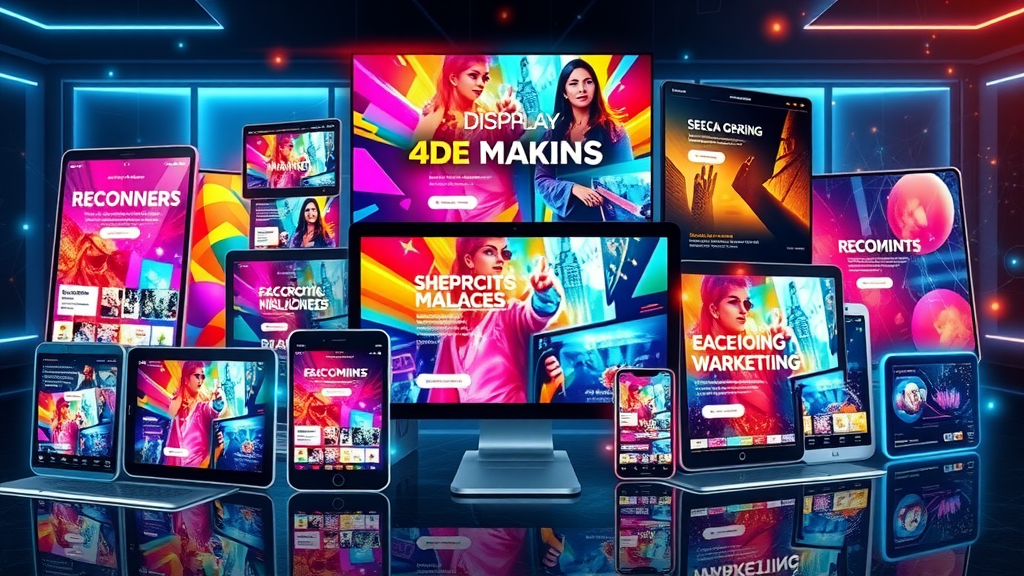
Banner Ads vs. Video Ads in Display Advertising

Banner ads have been the flagship of display advertising for decades—ideal for brand awareness, offers, and event promotion. With standardised sizes, they’re easy to scale and launch. However, as users experience banner blindness, the value of video ad formats grows.
Video ads deliver higher engagement rates by combining sight, sound, and motion. Brands use video ads for explainer videos, testimonials, product launches, and even short-form storytelling. While banner ads offer cost-effective reach, video ads—when targeted well—can create an emotional brand connection and drive more qualified leads.
Ultimately, an integrated approach—balancing banner ads for reach and video ads for engagement—provides the flexibility and return needed in competitive digital advertising campaigns.
The Rise of Rich Media in Display Ads for Marketing
Rich media ad formats are transforming display ads for marketing by allowing users to interact directly with ad content. Expandable banners, carousel units, and ads featuring surveys or quizzes keep users engaged longer than traditional static formats.
These interactive ad formats offer measurable uplift in engagement metrics, such as hover rates, video views, and in-ad conversions. Rich media also provides versatility—enabling brands to showcase product galleries, interactive maps or live chat widgets.
As consumer attention spans shrink, rich media helps cut through clutter and makes your marketing memorable. Brands prioritising innovation in their display advertising see higher conversion rates and improved brand recall.
Types of Display Ads for Marketing: Strategies for Maximum Impact
- Static image ads
- Animated display ads
- Interactive/rich media formats
- Retargeting display ads
There are several types of display ads every marketer should know. Static image ads are straightforward, fast-loading, and lend themselves well to direct calls to action. Animated display ads use simple motion graphics (like GIFs or HTML5 animations) to draw more attention than static creatives.
Interactive/Rich media formats go further, turning ads into mini-experiences via scroll, swipe, or tap—the backbone of modern e display advertising . Finally, retargeting display ads re-engage users who’ve previously visited your site, dramatically lifting conversion rates and offering stellar ROI when combined with behavioural targeting.
Mix different ad types within your campaign to reach audiences at every stage—from awareness to purchase—and optimise ad spend for best results.

Exploring Google Display and the Google Display Network
The Google Display Network (GDN) connects advertisers with millions of websites, apps, and Google properties like YouTube, enabling your display ad to appear across premium global inventory. Google Ads provides powerful targeting, from custom intent audiences to automated placement optimisation.
GDN supports all major ad formats, including responsive display ads , video ads , and rich media. Marketers can leverage automated bidding, detailed reporting, and AI-powered creative recommendations to deliver results at scale—ideal for brands aiming to balance reach and efficiency in their ad campaigns .
Exploring the vast capabilities of the Google Display Network can help you gain a distinct edge in digital advertising—no matter the campaign objective, from local awareness to global sales.
Social Media Display Advertising: Facebook, Instagram, and LinkedIn
Social media platforms frame display advertising in unique and highly engaging formats. Facebook and Instagram offer in-feed image, video, and carousel ads that blend naturally with organic posts, while LinkedIn excels with sponsored content and InMail campaigns perfectly suited for B2B targeting.
With sophisticated audience segmentation, interest targeting, and robust analytics, social media display ads help brands reach new customers and retarget existing ones at moments of high relevance. Combining social and traditional display advertising multiplies brand visibility and conversion opportunities.
Use social media display ads when fast campaign iterations, trend responsiveness, and high shareability are paramount. Pair with the Google Display Network for full digital channel domination.
How Display Advertising Drives Sales and Brand Awareness
- Boosting brand awareness in targeted audiences
- Encouraging user engagement through contextual targeting
- Driving direct response with compelling CTAs
Display advertising excels at growing brand awareness . High-frequency exposures across major ad networks embed your brand in the mind of your target audience , even before they’re ready to buy.
Contextual and behavioural targeting ensures your display ads appear before users who are most likely to convert—resulting in higher-quality leads and better budget efficiency. Dynamic creative and bold calls to action further boost user engagement, maximising the performance of every impression.
“The average click-through rate (CTR) for display advertising is 0.46%—but retargeting display ads can triple this, making them powerful for conversions.”
display advertising 
Case Studies: Display Ad Campaigns that Delivered Results
Major e-commerce brands have used display ads for marketing to seize market share quickly. A well-known UK retailer boosted sales conversion by 29% in three months with a multichannel display campaign mixing banner ads and retargeted video. For B2B, a recruitment firm tapped LinkedIn and display ads to lift qualified lead volume by 40%, leveraging rich media to showcase employer value proposition.
Local businesses are also succeeding with hyper-targeted display advertising. A regional gym chain triggered a 3x lift in free trial sign-ups by running responsive Google display ads targeted by postcode and interests, tracking conversions using CRM integrations.
These case studies prove that, when deployed creatively and managed smartly, display ad campaigns consistently drive both short-term sales and long-term growth—regardless of budget or sector.
Setting Up Your Display Ad Campaign: From Planning to Launch
- Define campaign objectives (brand awareness, conversions, lead generation)
- Know your target audience—using audience insights for display network targeting
- Budgeting and bidding strategies for Google Ads display campaigns
- Designing high-converting visuals and messaging
- A/B testing and optimising for ongoing improvement
Launching an effective display ad campaign starts with clear objectives—do you want to boost awareness, drive conversions, or nurture leads? Build deep understanding of your target audience by analysing demographic, psychographic, and behavioural traits using research tools and first-party data.
Set realistic budgets and choose the right bidding strategies. Google Ads’ automated bidding can maximise conversions or clicks based on your goals. Invest in high-quality visuals and direct messaging with strong calls to action, ensuring ads look sharp on both desktop and mobile devices.
Rigorous A/B testing—running different versions of visuals, copy, and CTAs—lets you refine continuously. Use analytics to optimise campaigns, trimming underperforming placements and boosting winners for maximum ROI.
| Task | Description | Tool/Platform |
|---|---|---|
| Set Goals | Define clear campaign objectives (awareness, CTR, leads) | Google Ads, Analytics |
| Audience Targeting | Segment and research your ideal users for precision | Google Display Network, Facebook Ads |
| Creative Development | Design banners and video ads with compelling CTAs | Canva, Adobe Creative Cloud |
| Budget & Bids | Allocate spend by channel and format | Google Ads, AdEspresso |
| Launch & Optimise | Deploy ads and refine via A/B tests | Google Ads, Analytics, Optimize |

Best Practices for Google Ads and Google Display Network
For high-yield Google Ads and display advertising on the GDN, tightly align your creative with campaign goals and audience targets. Use responsive display ads for broader reach and adaptability. Carefully exclude irrelevant placements to mitigate wasted budget and increase viewability.
Regularly refresh ads to combat banner fatigue and use dynamic content where possible, ensuring ongoing relevance. Implement conversion tracking and set up retargeting audiences to maximise overall campaign performance. Don’t forget to monitor placements for quality and avoid low-engagement or spammy sites within the display network .
Advanced tip: Leverage Google’s audience insights and in-market segments for targeting users most likely to convert, and schedule ads for peak engagement times. This approach boosts overall ad efficiency and campaign return.
Retargeting and Remarketing Strategies in Display Ads for Marketing
Retargeting display ads are a potent tool in the advertiser’s toolkit. By targeting users who visited your website but didn’t convert, you re-engage warm prospects at precisely the right moments. Remarketing also supports cross-selling and up-selling to existing customers.
Effective retargeting blends frequency capping with dynamic ad creative. Tailor messaging to users’ previous on-site behaviours—like viewed products or abandoned baskets. Combine with audience exclusions (e.g., purchasers) to avoid wasting impressions.
Platforms like Google Display Network and Facebook Ads offer robust retargeting solutions. Carefully track conversions and adjust creative to balance relevance and repetition, always serving the right message to drive users back to your site.
Ad Formats, Creative Elements, and CTA Mastery in Display Ads for Marketing
- Visual design best practices
- Copywriting and calls to action that convert
- Mobile-friendly formats for multi-device engagement
Ad format selection is only the start—success depends on mastering creative execution. For visual design , prioritise clarity, brand consistency, and vibrant imagery that pops on busy web pages. Use concise, impactful copy with clear value propositions.
Call to action (CTA) buttons should be bold, actionable, and visible (“Shop Now”, “Learn More”, “Get a Demo”). A/B test CTA language and design for maximum click-through rate. Mobile-optimised designs are non-negotiable: with audiences increasingly on mobile devices, responsive formats ensure frictionless engagement everywhere.
Combine these best practices with campaign data to iterate quickly—swiftly replacing underperforming creatives and scaling winners for optimal results.

Ad Format Selection: Matching Creative to Audience and Goals
Match each ad format to user intent and campaign objectives. For brand recall, high-traffic banner ads on news and lifestyle sites offer prominent placement. For engagement or consideration, interactive or video ads capture deeper viewer attention and communicate more complex narratives.
Segment your target audience and adjust creatives to each segment wherever possible. Younger audiences may respond better to animated formats or influencer-style videos, while B2B buyers often engage with clean, informative native formats or in-feed LinkedIn display ads.
Always pilot multiple creative variants, especially for new audiences or products. Let data guide your investment in both format and messaging for each segment—don’t rely on best guesses.
Measuring Ad Success: Metrics, CTR, ROI, and Beyond
The road to optimising display advertising is paved with data. Monitor key performance indicators, including click-through rate (CTR), cost per acquisition (CPA), conversion rate, and return on investment (ROI). Advanced platforms also offer in-depth insights on engagement (hover rate, video completion, interaction).
Use attribution modelling to understand display ads’ impact across the funnel, not just at the last-click stage. Regularly interrogate campaign data to identify trends, flag declining creatives, and discover new best performers.
Benchmark performance against industry standards but also against your historical campaign data. Smart measurement leads to smarter creative and targeting decisions for your next ad campaign.
Common Pitfalls and How to Avoid Them in Display Ads for Marketing
- Ad fatigue and banner blindness
- Targeting mistakes
- Spammy placements and ad fraud
- Design and copy errors
Avoiding common pitfalls is essential to making the most of your display advertising spend. Ad fatigue—where users become “blind” to repetitive ads—can quickly erode ROI. Regularly refresh creative and rotate formats to counteract this.
Targeting mistakes (such as too-broad audiences or forgotten exclusions) waste budget on uninterested users. Continually evaluate placement reports, cut poor performers, and use negative targeting options in your ad network.
Be vigilant for spammy ad placements or fraud—these low-value environments harm visibility and credibility. And finally, double-check design and copy for clarity to avoid confusion or off-brand messaging.
“Brands waste up to 20% of their display advertising budget due to poor targeting and ad misplacement. Avoiding these errors is key.”

Trends Transforming the Future of Display Ads in Marketing
- Artificial intelligence and programmatic display advertising
- Dynamic creative optimisation
- Integration with video ad and social media channels
The future of display ads for marketing is bright—and getting smarter. Artificial intelligence and machine learning are driving programmatic buying, automating placements and optimising in real time. Dynamic creative allows individual ads to morph based on user behaviour, increasing relevance and performance.
Seamless integration of video and display across digital channels delivers a consistent message throughout the customer journey. Expect increased focus on privacy-compliant targeting, first-party data, and immersive ad experiences—keeping audiences engaged in fragmented media landscapes.
To future-proof your digital advertising programme, keep pace with these trends and experiment with new platforms and emerging ad formats early.

Emerging Ad Formats and Platforms in Display Advertising
Interactive ads, augmented reality, and shoppable ad units are set to grow rapidly. Platforms like TikTok and Snapchat are championing vertical and story-based video ad formats. Programmatic direct deals and new private marketplaces offer brands more control over premium inventory and audience data.
Keep your ad campaigns agile by testing these emerging platforms early, measuring results, and adapting your strategy based on what resonates with your audience and drives your business objectives.
As technology evolves, only marketers who leverage the latest tools and formats will stay ahead in the crowded world of display advertising .
People Also Ask: Experts Answer Your Top Display Ads for Marketing Questions
What are display ads in marketing?
- Display ads in marketing are visual-based advertisements shown on websites, apps, or social media platforms. They promote products, services, or brand awareness through formats like banners, videos, and rich media across digital display networks.
Are display ads still effective?
- Display ads remain highly effective when targeted, well-designed, and part of a holistic marketing strategy. Advances in retargeting, programmatic buying, and creative formats keep display advertising highly relevant.
How much can you earn from display ads?
- Earnings from display ads for marketing depend on traffic, niche, and ad format. A typical website monetising display ads can earn £2–£6 per 1,000 impressions, with higher rates for lucrative sectors and strong audience engagement.
How much do display ads cost?
- Display ad costs vary by platform, targeting, format, and industry. In the UK, average CPM (cost per 1,000 impressions) for display ads ranges from £0.50 to £3.00, while more premium placements on Google Display Network or programmatic inventory can cost more.
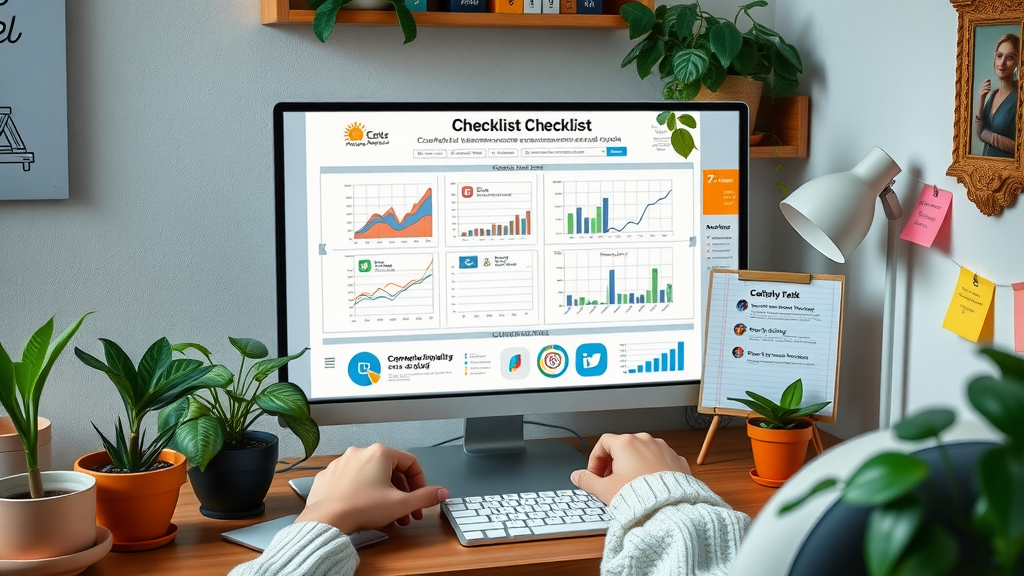
Practical Checklist: Setting Your Display Ads for Marketing up for Success
- Research competitors’ display ads
- Refresh creative regularly
- Segment audiences for better targeting
- Track key metrics (CTR, ROI, conversions)
| Action | Frequency | Tool Used |
|---|---|---|
| Competitor Analysis | Quarterly | SEMrush, Adbeat |
| Creative Refresh | Monthly | Canva, Adobe XD |
| Audience Segmentation | Ongoing | Google Ads Audience Insights |
| Metrics Tracking | Weekly | Google Analytics, Ad Platforms |
Frequently Asked Questions About Display Ads for Marketing
- What are retargeting display ads and why are they effective?
Retargeting display ads serve users who previously interacted with your site or ads, reminding them of your offer or prompting them to complete a purchase. This approach is highly effective because it targets warm prospects, boosts conversion rates, and reduces wasted ad spend. - How can I improve my display ad CTR?
To boost your display ad click-through rate, keep designs clean, use contrasting colours for CTAs, write compelling copy, and match ad messaging tightly to your audience segments. A/B testing creative and targeting helps discover what resonates most. - Can display ads be used for lead generation?
Absolutely! By deploying clear CTAs (such as “Download Now” or “Sign Up”), integrating lead forms, and targeting relevant lookalike audiences, display ads can be a powerful channel for generating new leads. - What reporting tools are best for tracking display ad performance?
Google Analytics, Google Ads dashboards, Facebook Ads Manager, and third-party tools like SEMrush or AdEspresso provide robust metrics on ad performance, audience behaviour, and ROI. Custom dashboards let you monitor key KPIs in real time.
Key Takeaways from Display Ads for Marketing
- Display ads for marketing remain a powerful channel for digital brands
- Success depends on creativity, targeting, and optimisation
- Ongoing trend awareness is essential for future-proofing display advertising
Skyrocket Your Sales with Display Ads for Marketing—Start Today
“Ready to position your brand at the forefront of digital marketing? Strategic, optimised display ads are your springboard to accelerated growth.”
Make your brand unmissable—adopt a data-driven display ad strategy and watch your sales momentum build.
Connect for Custom Display Ads for Marketing That Deliver Results
- Contact us at https://www.capidhouser.com/paid-website-traffic/ to discuss your Display Ads Marketing Strategy
To deepen your understanding of display advertising and its strategic implementation, consider exploring the following resources:
- “Display advertising — definition, types, and benefits” : This article provides a comprehensive overview of display advertising, detailing various ad formats and their advantages, which can help you select the most effective approach for your marketing objectives. ( business.adobe.com )
- “What Are Display Ads? Definition & Best Practices – Forbes Advisor” : This resource outlines essential best practices for crafting compelling display ads, including design tips and strategic insights to enhance your campaign’s performance. ( forbes.com )
By delving into these articles, you’ll gain valuable insights into the fundamentals and advanced strategies of display advertising, empowering you to create impactful campaigns that drive sales and elevate brand awareness.
